


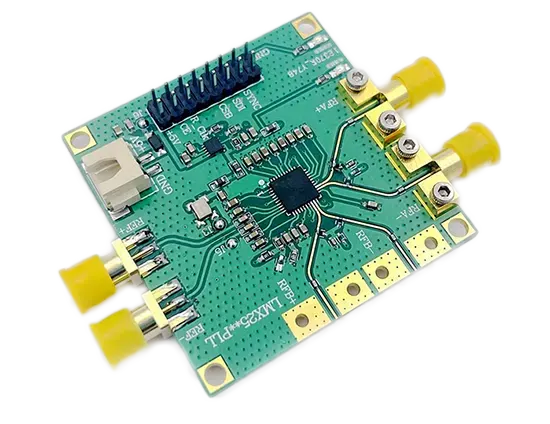
Profesional Manufacturing
FR-4 PCB
FR-4: Brominated flame-retardant G-10 successor. Standard PCB epoxy laminate.
- Thermal Stability: Good heat resistance
- Dielectric Constant: Typically 4.2–4.8
- Mechanical Strength: High rigidity
What is FR-4 PCB?
An FR-4 PCB is a printed circuit board made from a widely used material known as FR-4, which stands for flame-retardant grade 4. The standard is defined by the NEMA, and it refers to a composite material made from woven fiberglass cloth combined with epoxy resin.
This structure gives FR-4 its core advantages. The fiberglass provides mechanical strength and rigidity, while the epoxy resin acts as an electrical insulator. Thin layers of copper are laminated onto the surface to form conductive circuits, allowing electronic components to connect and function reliably.
At Benlida, we specialize in high-quality FR-4 PCB manufacturing, delivering precision, fast turnaround, and reliable performance for both prototypes and mass production.
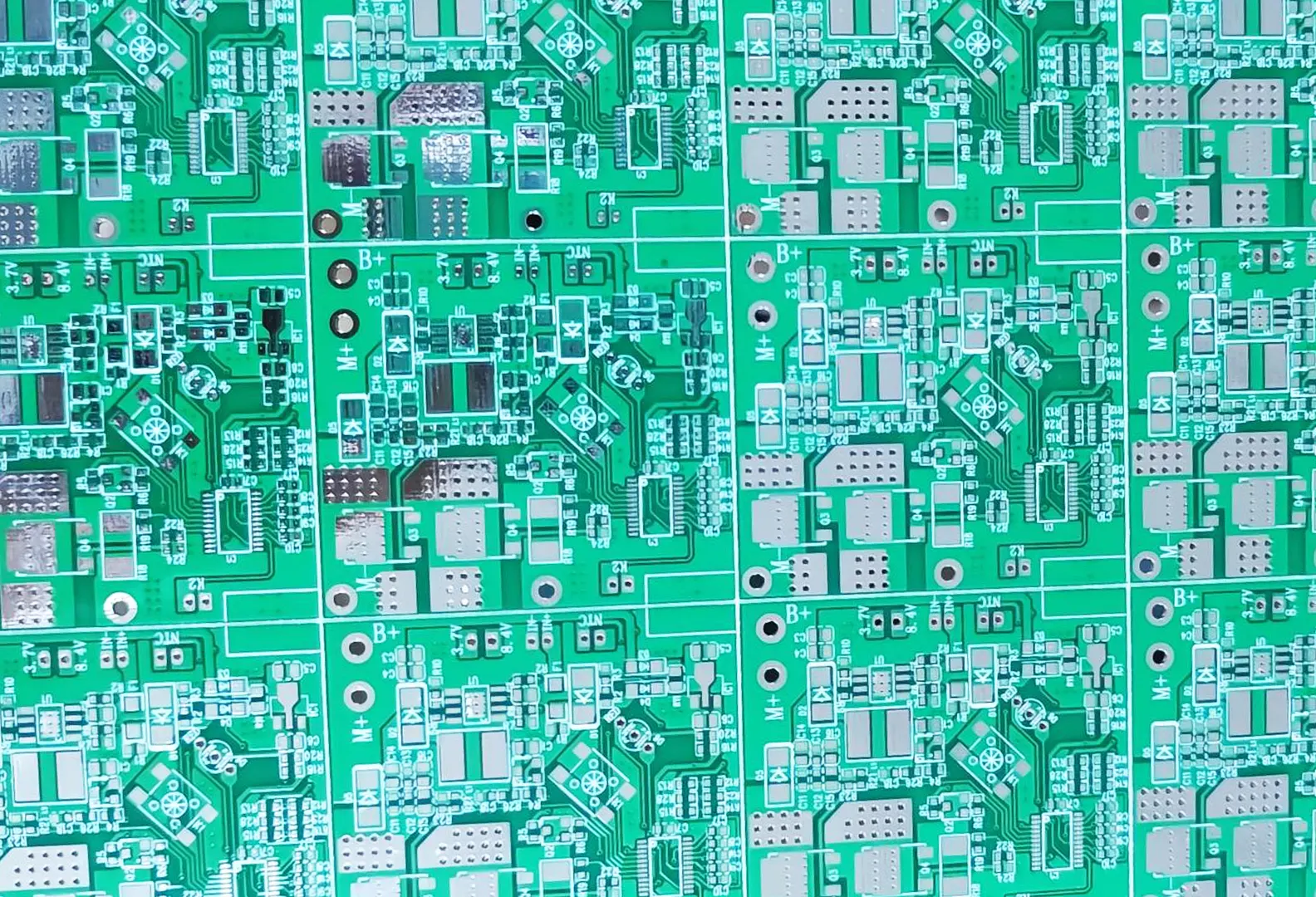
Our FR-4 PCB Manufacturing Capabilities
At Benlida, we deliver high-precision FR-4 PCB manufacturing with advanced technology, strict quality control, and fast, reliable production from prototype to volume.
| Parameter | Typical Value / Description |
|---|---|
| Layer Count | 1–32 layers |
| Controlled Impedance | Supported (4–32 layers) |
| Impedance Tolerance | ±10% (±5Ω if ≤50Ω) |
| Max Board Size | Up to 670 × 600 mm |
| Min Board Size | 3 × 3 mm |
| Outer Copper Thickness | 1–2 oz (up to 4.5 oz for 2-layer |
| Inner Copper Thickness | 0.5–2 oz |
| Surface Finish | HASL, Lead-free HASL, ENIG |
| Min Via Size | 0.15 mm (hole) / 0.25 mm (pad) |
| Hole Tolerance | Plated: +0.13 / -0.08 mm; Non-plated: ±0.2 mm |
| Min Track Width/Spacing | 0.10 / 0.10 mm (standard) |
| Min Plated Slot | 0.5 mm |
| Min Non-Plated Slot | 1.0 mm |
| Min BGA Pad | 0.25 mm |
| Gold Finger Bevel | 30° / 45° |
| Backdrill | Supported (≥4 layers) |
Types of FR-4 PCBs
FR-4 PCB by Benlida: Durable, Affordable, and Built for Every Electronic Need.
Standard FR-4 PCB
Reliable and cost-effective, ideal for general electronic devices and everyday applications with high quality.
High Tg FR-4 PCB
Designed for high-temperature environments, offering enhanced thermal stability and mechanical performance.
High-Frequency FR-4 PCB
Optimized for fast signal transmission and reduced loss in RF and high-speed applications.
Multilayer FR-4 PCB
Multiple layers enable compact, complex circuits for advanced electronics and high-density designs.
HDI FR-4 PCB
High-density interconnect PCB for miniaturized devices with fine lines and microvias to match your demand.
FR-4 PCB Manufacturing Process
Benlida FR-4 PCB: Expertly Crafted with Precision at Every Step, from Design and Lamination to Testing and Delivery.
PCB Design & DFM Review
Ensure optimal design and manufacturability before production to prevent errors and improve performance.
1
Material Preparation
Select and cut FR-4 substrate sheets to the required size and specifications.
2
Inner Layer Imaging
Transfer circuit patterns onto inner copper layers using photolithography for precise circuit definition.
3
Etching Process
Remove unwanted copper from inner layers to create the desired circuit patterns.
4
Layer Lamination
Bond inner layers with prepreg and copper layers under heat and pressure to form the PCB stack.
5
Drilling & Via Formation
Drill holes for component leads and electrical connections between PCB layers.
6
Copper Plating
Plate drilled holes and surface areas with copper to ensure electrical conductivity.
7
Solder Mask Application
Apply protective solder mask to prevent short circuits and protect traces.
8
Surface Finishing
Apply finishes like HASL or ENIG to protect copper and improve solderability.
9
Electrical Testing & Inspection
Test all circuits for continuity and defects to ensure quality and reliability.
10
FR-4 PCB Surface Finish
Benlida FR-4 PCB Surface Finishes: Perfect Protection, Superior Solderability, Every Time.
HASL: A traditional, cost-effective finish using molten solder, ideal for general-purpose PCBs.
Lead-Free HASL: Environmentally friendly version of HASL, meeting RoHS standards for lead-free electronics.
ENIG: Provides a flat, gold-coated surface for excellent solderability and reliable high-frequency performance.
OSP: Organic solderability preservative protects copper while remaining flat, perfect for fine-pitch components.
Immersion Tin: Offers uniform, smooth surface with good solderability for short to medium-term applications.
Immersion Silver: Provides high conductivity and excellent surface planarity for precision assembly and fine-pitch parts.
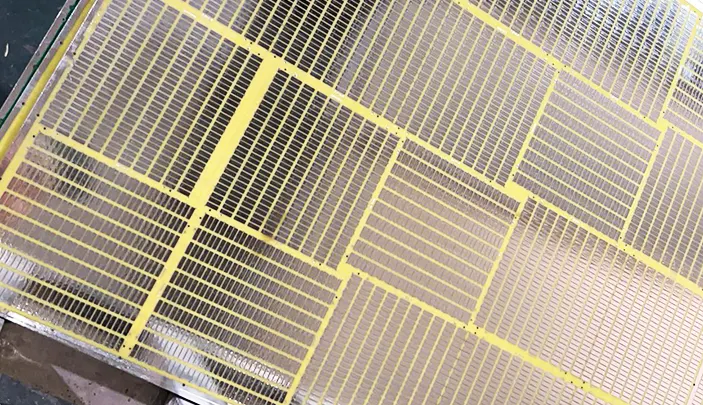
FR-4 PCB Design Guides
Benlida FR-4 PCB Stack-Up: Engineered for Precision, Signal Integrity, and High-Performance Designs.
FR-4 PCB design guidelines help engineers achieve reliable performance, stable signal transmission, and efficient manufacturability. By focusing on key design factors, it is possible to optimize both electrical and thermal performance.
Trace Width Considerations: Select appropriate trace widths to support current requirements and maintain controlled impedance.
Via Design: Optimize via size and structure to ensure reliable connections and minimize signal loss.
Thermal Management: Incorporate heat dissipation strategies such as copper pours and thermal vias to manage temperature effectively.
Layer Stack Planning: Design a well-structured stack-up to separate signal, power, and ground layers for improved stability.
Impedance Control Tips: Apply controlled impedance design to ensure consistent signal quality in high-speed circuits.
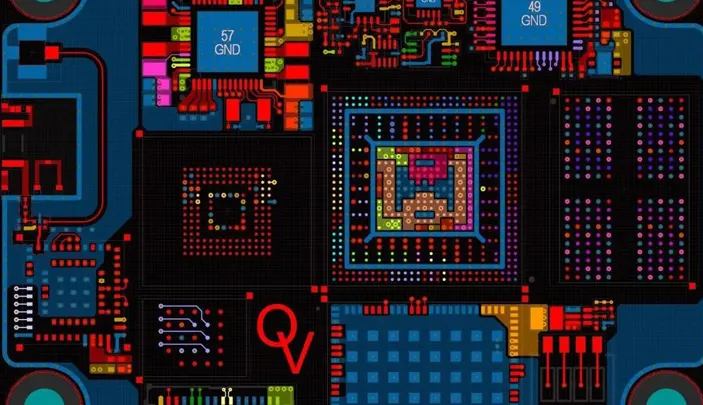
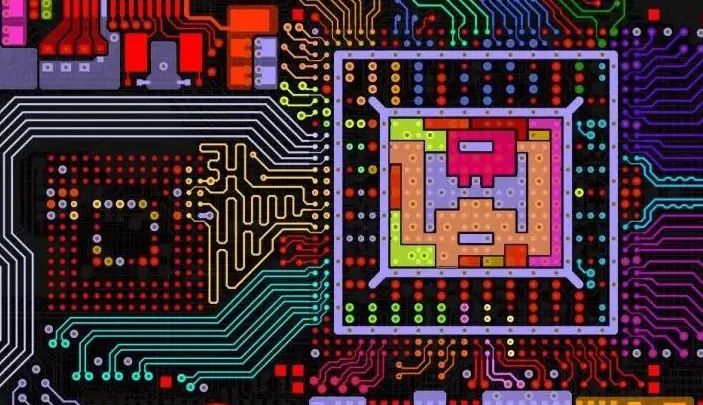
Stack-Up Design
2-layer FR-4 stack-up: A basic configuration suitable for simple circuits with low component density and standard signal routing.
4-layer FR-4 stack-up: Provides additional layers for power and ground planes, improving signal performance and reducing EMI.
6-layer FR-4 stack-up: Offers more routing flexibility, better signal integrity, and supports complex high-speed designs.
Controlled impedance design: Ensures precise impedance values for high-frequency signals, critical in RF and high-speed digital circuits.
Signal integrity considerations: Optimizes layer arrangement, trace width, and spacing to minimize noise, crosstalk, and signal degradation.
FR-4 PCB Material
FR-4 PCB: Reliable, Strong, and Cost-Effective for Every Circuit.
Cost-Effective and Widely Available
FR-4 is a cost-effective material compared to advanced laminates like Rogers, making it the industry standard for most PCBs. Its affordability and global availability make it ideal for both small projects and high-volume production.
Reliable Insulation
With a moderate dielectric constant, FR-4 performs exceptionally well in low-frequency and higher-power applications. Its epoxy-fiberglass structure also provides excellent signal isolation, ensuring stable and reliable circuit performance.
Mechanical Strength
FR-4 offers excellent mechanical strength thanks to its tightly woven fiberglass core, which provides high tensile resistance and makes the board highly durable against warping, bending, and everyday mechanical stress.
| Parameter | Typical Value / Description |
|---|---|
| Material Type | Woven fiberglass with epoxy resin |
| Flame Retardant Rating | FR-4 (flame retardant grade 4) |
| Dielectric Constant (εr) | 4.2–4.8 at 1 MHz |
| Glass Transition Temperature (Tg) | 130–140 °C (standard FR-4) |
| Thermal Decomposition (Td) | ~300 °C |
| Tensile Strength | 50–70 MPa (depending on fiberglass weave) |
| Coefficient of Thermal Expansion (CTE) | 14–17 ppm/°C in X/Y, 70 ppm/°C in Z |
| Water Absorption | <0.1 % |
| Typical Copper Cladding | 1 oz/ft² (35 µm), up to 3 oz/ft² (105 µm) |
FR-4 vs Other PCB Materials
Step into our state-of-the-art manufacturing facility where precision meets efficiency. Every corner reflects our commitment to high-quality production, seamless workflow and strict quality control — delivering excellence in every PCB we build.

FR-4 vs Rogers PCB
FR-4 is cost-effective and widely used in vary from fields, while Rogers excels in high-frequency and RF applications of product.
FR-4 vs Aluminum PCB
FR-4 provides standard mechanical and electrical performance, whereas aluminum PCBs offer superior heat dissipation for power electronics.
FR-4 vs Polyimide PCB
FR-4 is durable and affordable, while polyimide boards handle extreme temperatures and flexible designs better with high quality.

| Parameter | FR-4 | Rogers PCB | Aluminum PCB | Polyimide PCB |
|---|---|---|---|---|
| Dielectric Constant (εr) | 4.2–4.8 | 2.2–10 (material dependent) | 4.0–4.5 | 3.5–4.5 |
| Thermal Conductivity | 0.3–0.4 W/m·K | 0.6–0.9 W/m·K | 1.0–2.0 W/m·K | 0.12–0.20 W/m·K |
| Glass Transition Temperature (Tg) | 130–140 °C | 280–300 °C | 130–140 °C | 260–300 °C |
| Maximum Operating Temperature | ~130 °C | 200–300 °C | ~130 °C | 260–300 °C |
| Mechanical Flexibility | Rigid | Rigid | Rigid | Flexible |
| Thermal Expansion (CTE) | 14–17 ppm/°C (X/Y) | 9–12 ppm/°C (X/Y) | 15–20 ppm/°C (X/Y) | 20–30 ppm/°C |
| Applications | General electronics, consumer, industrial | High-frequency, RF, microwave | Power electronics, LED lighting | Flexible circuits, high-temp electronics |
Why Choose Benlida for PCB Manufacturing?
Choose Benlida for precision PCB and PCBA manufacturing—delivering fast turnaround, consistent quality, and reliable performance from prototype to production.
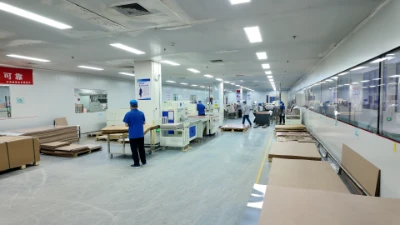
Experienced Manufacturing
18 years of pcb manufacturingexperience Authoritativemanufacturing team

Short delivery time
Tailor-made approaches to addressunique challenges, ensuring preciseresults that align with specific project goals.
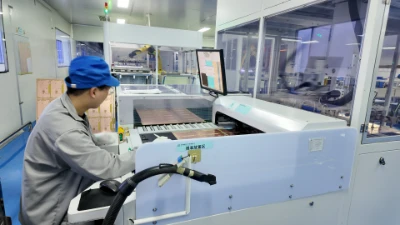
Good quality control
Mature iso9001/1ATF16949 quality management system.Perfect ERp and Mas ordermanagement
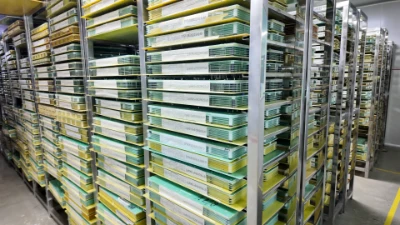
Affordable price
Professional cost control engineersCooperation with many raw materialcom-panies.
Let's act quickly!
Turn Your Dreams Into Reality
Getting a custom PCB made is simple with Benlida. Submit your design files or project details, and our team will provide a fast, accurate quote tailored to your requirements. Whether it’s a prototype or large-scale production, we make the process easy and efficient.