


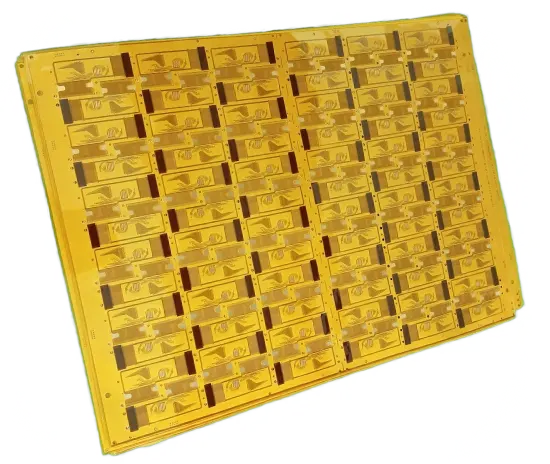
Profesional Manufacturing
Flex PCB Manufacturing
Reliable, fast, and custom flexible PCB solutions for your innovative projects.
- Minimum Bend Radius 0.86 mm
- Expected Flex Life < 100 cycles
- IPC Bend Ratio (r/h) 6:1
What is Flex PCB?
As electronic devices continue to evolve toward miniaturization, lightweight construction, and complex three-dimensional integration, traditional rigid PCBs are often unable to meet modern design demands. Flex PCBs have emerged as an effective solution by enabling circuits to bend, fold, and conform to compact or irregular spaces.
Built on flexible substrates such as polyimide, flex PCBs not only reduce the need for connectors and wiring but also enhance reliability in dynamic and high-vibration environments.
Their unique combination of flexibility, durability, and space efficiency makes them widely used in applications ranging from consumer electronics to automotive, medical, and aerospace systems.
At Benlida, we specialize in manufacturing Flex PCBs designed for high-power and demanding applications.
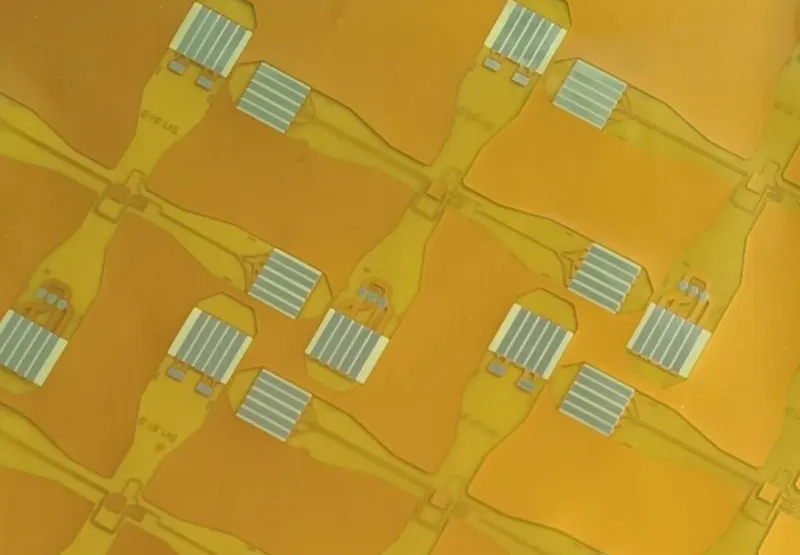
Beblida Flex PCB Capabilities
At Benlida, we deliver advanced Flex PCB solutions that combine precision, reliability, and high-density design for modern electronics.
| Capability | Description | Application / Benefit |
|---|---|---|
| Layer Count | 1 – 12 layers | Supports single-layer to complex multi-layer flex PCB designs. |
| Minimum Trace Width | 50 µm (2 mils) | Enables precise circuit paths for high-density designs. |
| Minimum Trace Spacing | 50 µm (2 mils) | Ensures reliability and reduces signal interference. |
| Minimum Via Diameter | 75 µm (3 mils) | Supports microvias, blind, and buried vias for compact layouts. |
| Flex Material | Polyimide, PET | High-performance substrates for bending and thermal stability. |
| Copper Thickness | 0.5 – 5 oz | Accommodates different current-carrying requirements. |
| Surface Finish | HASL, ENIG, OSP, Immersion Tin | Enhances solderability and long-term reliability. |
| Bend Radius | ≥3 mm | Supports dynamic and static bending applications. |
| Thermal Management | High thermal conductivity options | Ensures stability in high-power or heat-sensitive applications. |
| Quality Standards | IPC-A-600, IPC-6013, ISO9001 | Ensures high reliability, functionality, and industry compliance. |
Flex PCB Types
Heavy copper PCBs are engineered for high-power and high-reliability applications, but their advanced performance comes with increased manufacturing costs. Understanding the cost structure helps engineers and procurement teams balance performance and budget effectively.
Single-Sided Flex PCB
Single conductive layer, used in simple circuits like wearables and small devices.
Double-Sided Flex PCB
Two conductive layers connected by vias, for moderate complexity circuits.
Multi-Layer Flex PCB
Three or more layers for high-density, high-performance applications.
High-Flex / Dynamic Flex PCB
Designed for repeated bending in robotics, foldable devices, and wearables.
Adhesive vs. Adhesiveless Flex PCB
Adhesive uses bonding layer; adhesiveless bonds copper directly for thinner boards.
Benefits and Advantages
Benlida’s Flex PCBs offer compact, lightweight, and durable solutions. They simplify assembly, improve thermal management, and ensure reliable performance in dynamic applications, making them ideal for wearables, medical devices, automotive electronics, and more.
Compact and Lightweight Designs
Flex PCBs allow electronics to fit into tight or irregular spaces, reducing overall device size and weight without compromising functionality.
High Durability and Flexibility
Built to bend and withstand mechanical stress, Flex PCBs offer reliable performance in devices that require movement or vibration resistance.
Simplified Assembly with Fewer Connectors
Flexible circuits can replace multiple rigid boards and connectors, streamlining assembly and reducing potential points of failure.
Improved Thermal Management
Flex PCBs efficiently dissipate heat, helping maintain stable operation in high-power or heat-sensitive applications.
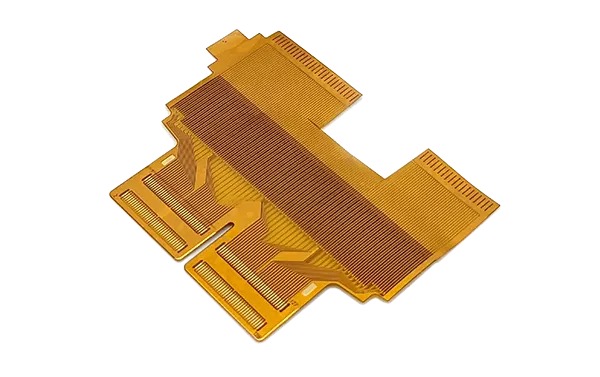
Reliable Performance in Dynamic Applications
Engineered for repeated bending or motion, Flex PCBs maintain consistent electrical performance in wearables, robotics, and foldable electronics.
Flex PCB Design Guides
Designing heavy copper PCBs requires specialized considerations to fully leverage their high-current and thermal advantages while ensuring manufacturability and cost efficiency. The following guidelines help optimize performance and reliability in demanding applications.
Minimize Bending Stress Areas
Design circuits to avoid sharp bends or tight corners, reducing the risk of damage and extending PCB lifespan.
Maintain Consistent Impedance
Ensure trace widths and spacing are uniform to prevent signal loss, reflections, or interference in high-speed circuits.
Use Proper Grounding and Shielding
Incorporate effective grounding and shielding to protect signals from noise and maintain circuit stability.
Optimize Trace Widths and Spacing for High-Frequency Signals
Adjust trace dimensions carefully to support high-frequency performance and prevent signal degradation.
Select Appropriate Flexible Substrates
Choose the right material—polyimide, PET, or other substrates—based on bending, thermal, and electrical needs.
Manufacturing Process Overview
Key steps ensuring precision, reliability, and consistent multilayer PCB production quality.
Design & Prototyping
The process begins with precise CAD layout design and thorough DFM (Design for Manufacturability) checks to ensure optimal performance and efficient production.
1
Material Preparation
High-quality flexible substrates are carefully selected based on the application’s mechanical, thermal, and electrical requirements.
2
Lamination & Bonding
Layers are bonded under controlled heat and pressure to ensure strong adhesion, structural integrity, and long-term reliability.
3
Etching & Drilling
Advanced etching and drilling techniques are used to create accurate circuit patterns and vias with high precision.
4
Plating & Surface Finish
Protective plating and surface finishes are applied to enhance conductivity, solderability, and resistance to corrosion.
5
Testing & QA
Comprehensive testing, including AOI inspection and functional checks, ensures every Flex PCB meets strict quality and reliability standards.
6
Flexible PCB Materials
Selecting the right materials is critical to the performance, durability, and reliability of a flexible PCB. Different applications require specific mechanical flexibility, thermal stability, and electrical performance, making material choice a key design decision. At Benlida, we help customers choose the most suitable materials to ensure optimal results for every project.
Polyimide (PI)
The most widely used flex PCB material, offering excellent thermal resistance, flexibility, and mechanical strength. Ideal for high-performance and demanding environments.
Polyester (PET)
A cost-effective alternative with good flexibility, suitable for low-cost, high-volume consumer electronics where extreme temperatures are not required.
Adhesive vs. Adhesiveless Materials
Adhesive-based laminates use bonding layers for flexibility, while adhesiveless materials provide better thermal performance, thinner profiles, and improved reliability.
Copper Foil Types
Rolled annealed (RA) copper is preferred for dynamic flex applications due to superior flexibility, while electrodeposited (ED) copper is suitable for static applications.
Coverlay & Protective Layers
Coverlays protect circuits from environmental damage, enhancing durability, insulation, and long-term performance.
Stiffeners
Materials like FR4 or polyimide stiffeners are added to reinforce specific areas, improving mechanical support for components and connectors.
Quality Assurance & Standards
Multilayer PCB manufacturing combines advanced fabrication techniques, precise layer alignment, and strict quality control to produce high-density, high-performance boards reliably and efficiently.
IPC standards
With standardized guidelines to ensure consistent performance, minimize defects, and meet customer and regulatory requirements.
Testing methods
Comprehensive electrical and functional tests verify performance and detect defects early. Like as: AOI / Flying probe / E-test/ X-ray inspection
Certification
Recognized certifications demonstrate compliance with international quality and safety requirements. (ISO, UL, RoHS, etc.)
Why Choose Benlida for PCB Manufacturing?
Choose Benlida for precision PCB and PCBA manufacturing—delivering fast turnaround, consistent quality, and reliable performance from prototype to production.
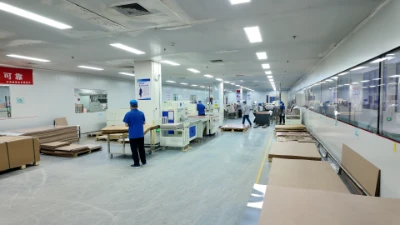
Experienced Manufacturing
18 years of pcb manufacturingexperience Authoritativemanufacturing team

Short delivery time
Tailor-made approaches to addressunique challenges, ensuring preciseresults that align with specific project goals.
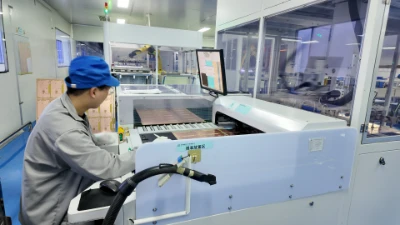
Good quality control
Mature iso9001/1ATF16949 quality management system.Perfect ERp and Mas ordermanagement
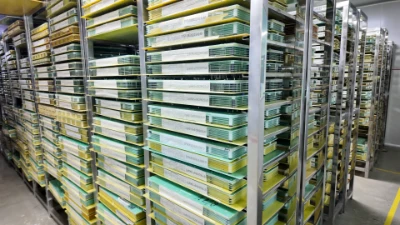
Affordable price
Professional cost control engineersCooperation with many raw materialcom-panies.
Let's act quickly!
Turn Your Dreams Into Reality
Getting a custom PCB made is simple with Benlida. Submit your design files or project details, and our team will provide a fast, accurate quote tailored to your requirements. Whether it’s a prototype or large-scale production, we make the process easy and efficient.